Wanting vs. Waiting
Wanting for Nothing: What It Means to Have a Shepherd
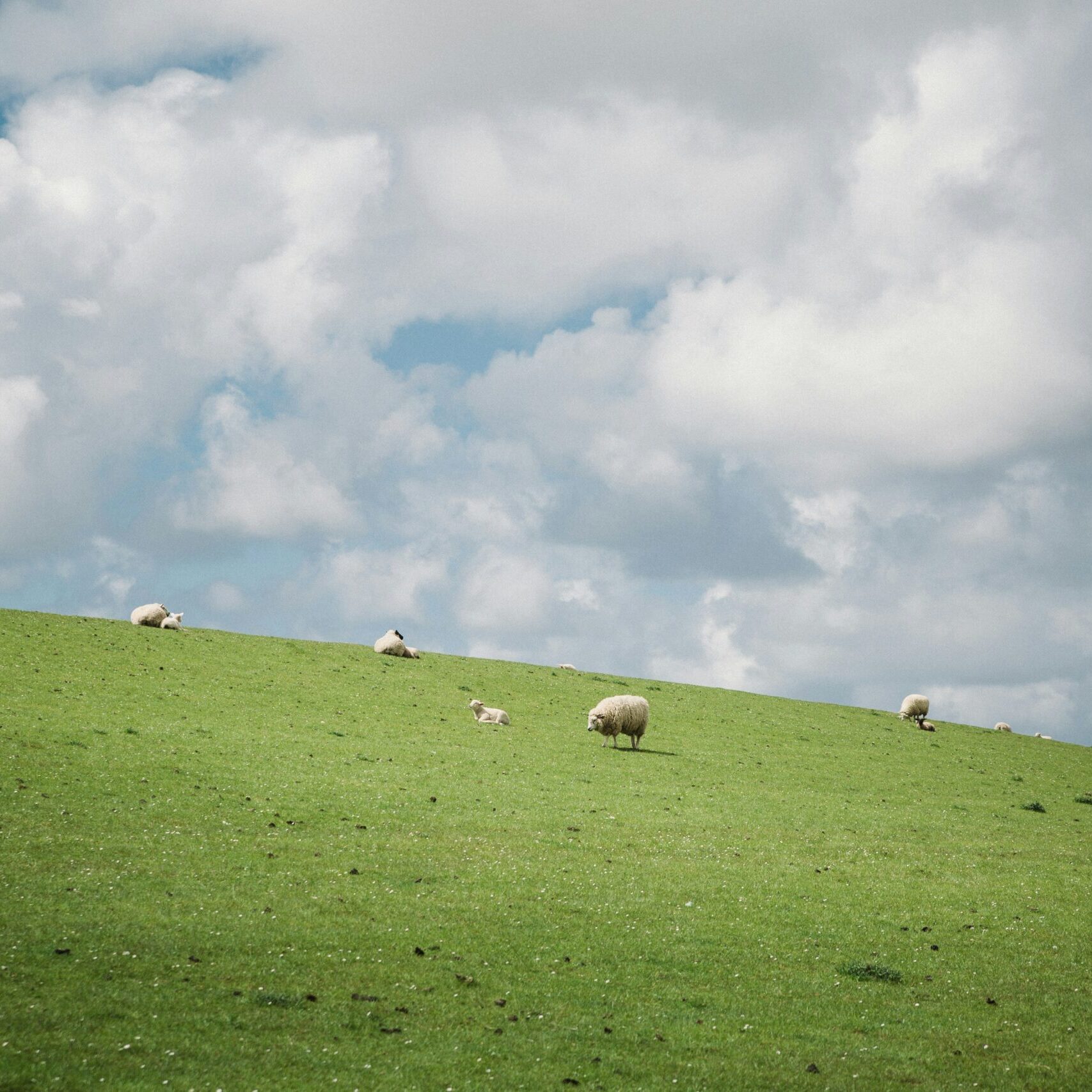
There is a single verse in all of scripture that has comforted more people in more moments of crisis, grief, uncertainty, and fear than perhaps any other. It is short. It is simple. And yet it carries the weight of a lifetime of evidence behind it. Psalm 23:1 declares that the Lord is the shepherd of his people, and because of that, his people shall not want. Eight words. A lifetime of meaning.
But here is the question worth sitting with today: do you actually believe it?
Not believe it the way you believe a fact you learned in school. Not believe it the way you nod along to something that sounds right. But believe it the way a sheep trusts a shepherd — completely, restfully, without the frantic energy of an animal trying to survive on its own. That kind of belief changes everything about how you live.
The Weight Behind the Words
Psalm 23 was not written from a place of comfort and ease. It was written by a man who had seen the full spectrum of human experience. He had known the loneliness of the hillside, the pressure of the battlefield, the weight of leadership, the sting of betrayal, and the consequences of his own failures. He had been celebrated and hunted. He had been chosen and rejected. His declaration that the Lord is his shepherd was not a naive sentiment. It was a hard-won conclusion drawn from mountains of personal evidence. That is what gives it such weight. That is why it deserves more than a passing glance.
When David writes that the Lord is his shepherd, he is simultaneously making a statement about himself. He is saying: I am a sheep. And not just any sheep — a sheep that belongs to someone. A domesticated sheep. One that does not roam wild, does not fend for itself, does not rely purely on instinct and survival. He is drawing a clear line between two very different ways of living.
Wild Sheep in the Sheep Pen
Here is the uncomfortable truth that this passage surfaces: it is entirely possible to be in the sheep pen and still live like a wild sheep.
Wild sheep are not always obviously rebellious. They are not always caught up in scandal or openly defiant. Sometimes they are simply self-reliant. They do not pray — they just act. They do not repent — they adjust. They do not serve out of surrender — they perform out of habit. They are in the right place physically but have never truly submitted to the shepherd’s guidance. They claim a shepherd but cannot discern his voice. They profess belonging but resist his leading.
This is the subtle deception. It does not announce itself loudly. It just quietly keeps you carrying weight you were never meant to carry, solving problems you were never meant to solve alone, and living with an anxiety that never quite goes away because you are, in effect, a sheep trying to function without a shepherd.
Wanting Versus Waiting
One of the most clarifying distinctions this passage invites us to make is the difference between wanting and waiting.
Wanting is rooted in uncertainty. It is the anxious longing for something you do not have, driven by the fear that it may never come. It is the posture of someone who is not sure whether their needs will be met, and so they scramble, they grasp, they carry the full burden of their own provision.
Waiting is something entirely different. Waiting is grounded in certainty about a future reality that simply has not arrived yet. A sheep with a good shepherd is not wanting — it is waiting. Waiting on the shepherd to provide. Waiting on the shepherd to lead. Waiting on the shepherd to protect. That waiting is not passive resignation. It is active trust. It is the kind of security that allows a sheep to lie down in green pastures rather than pacing anxiously at the edge of the field.
Psalm 23:2-3 paints this picture beautifully. The shepherd makes his sheep lie down. He leads them beside still waters. He restores their souls. He guides them in paths of righteousness — and notice this — for his name’s sake. Not for the sheep’s perfect understanding of the plan. Not because the sheep figured out the right direction. But because the shepherd is faithful to his own character and his own purposes. The sheep simply has to trust that the one leading them knows where they are going.
The Freedom in Belonging
There is a profound freedom that comes with belonging to a good shepherd, and it is the kind of freedom that self-reliance can never produce. When you have a shepherd, you do not have to know everything. You do not have to have every situation figured out. You do not have to keep your head on a swivel at all times, bracing for whatever might come next. Some things have already been determined for you by someone far wiser and far more capable than you are.
That is not a loss of freedom. That is the greatest gift imaginable.
The New Testament captures this well. In one of the gospel accounts, Jesus looks out at a crowd of people and is moved with compassion because they appear to him as sheep without a shepherd — directionless, unprotected, desperate, exhausted. He sees the cost of wild living written all over them. And his response is not judgment. It is compassion. Because the invitation has always been open. The shepherd is always calling.
The Only Thing Required
If you have been living like a wild sheep — carrying what you were never meant to carry, relying on instincts that were never designed to sustain you — the invitation today is simple. You do not have to stay wild. The shepherd is not waiting for you to have it all together. He is waiting for you to stop pretending that you do.
Surrender is not weakness. It is the wisest thing a sheep can do.
The Lord is a good shepherd. And for those who belong to him, there is nothing left to want.